Rammelsberg Ore Mines: A Journey Through Germany's Mining History
June 13, 2025

I spent nearly three hours exploring the underground mining tunnels and interactive exhibits, which gave an incredible glimpse into medieval and industrial mining techniques. The guided tour of the 18th-century shafts was particularly fascinating, with knowledgeable guides explaining how miners worked in extremely challenging conditions.
Descend into a thousand-year-old mountain where silver and copper shaped European industrial history. Discover an underground world where technology and human endurance collide in the UNESCO-recognized Rammelsberg Ore Mines.
Need-to-Know Info Before Visiting World Heritage Rammelsberg Ore Mines



5+
images
World Heritage Rammelsberg Ore Mines Address
Bergtal 19, 38640 Goslar, Germany
World Heritage Rammelsberg Ore Mines Opening Hours
- 🕒 March-October: Daily 10 AM - 5 PM
- 🕒 November-February: Daily 10 AM - 4 PM
- 🕒 Closed on December 24-26 and January 1
How to get to World Heritage Rammelsberg Ore Mines
- 🚗 By car: Free parking available on-site
- 🚌 Public transport: Bus 830 from Goslar Central Station
- 🚕 Rideshare: Taxi services available in Goslar
What is World Heritage Rammelsberg Ore Mines known for?
- First industrial-scale mining site demonstrating 1,000 years of continuous metal extraction
- UNESCO World Heritage Site since 1992, recognizing its global mining heritage significance
- Comprehensive museum showcasing underground mining techniques and technological evolution
- Original 18th-century mining shafts and machinery preserved for public exploration
- Interactive exhibits explaining silver, copper, and lead mining processes
What is World Heritage Rammelsberg ore mines in Goslar?
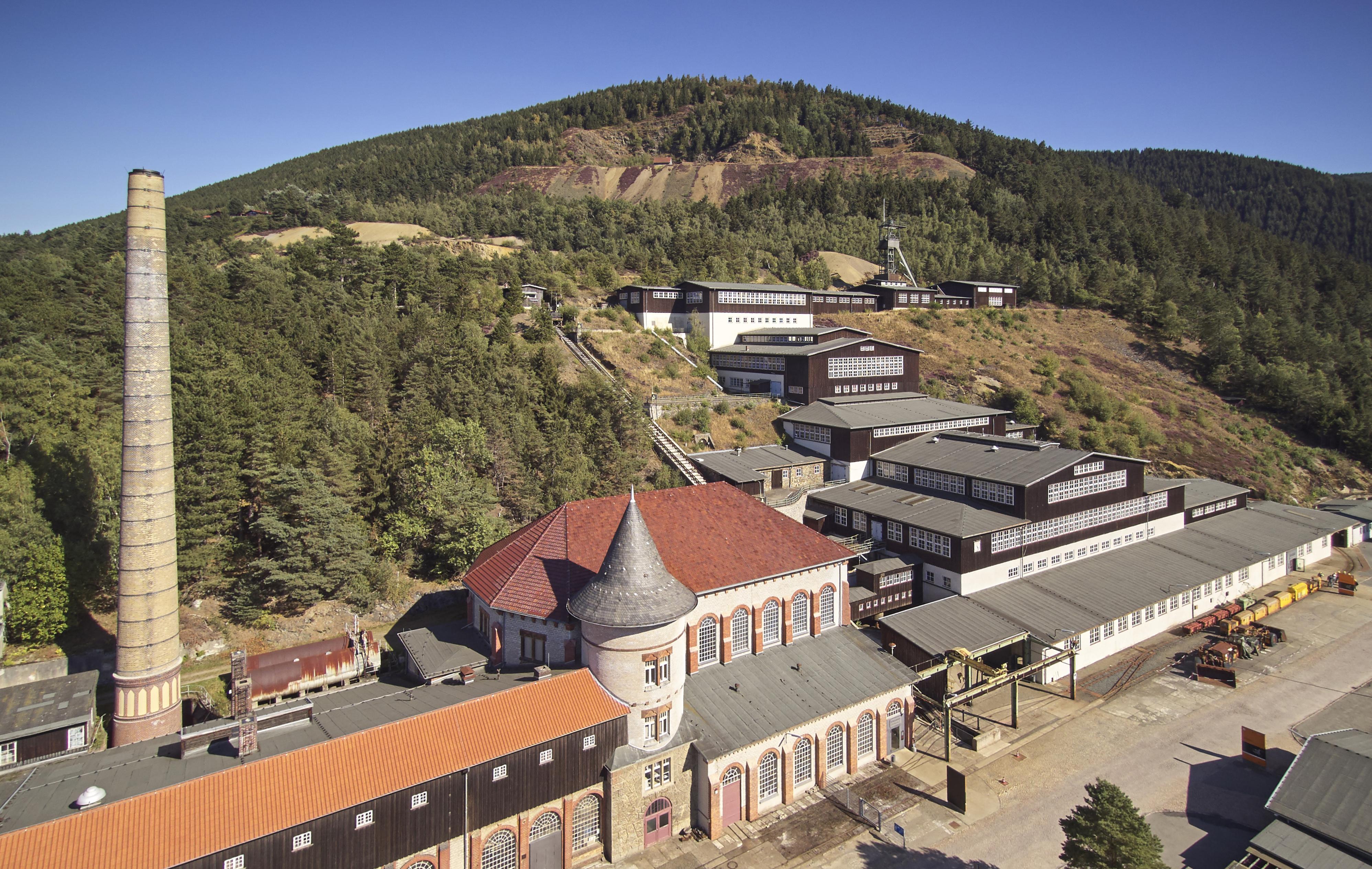
Tucked away in Lower Saxony, the Rammelsberg Ore Mines transform an industrial landscape into a jaw-dropping museum experience that draws over 150,000 visitors annually. This UNESCO World Heritage Site isn't just another museum - it's a time machine into Germany's mining history, covering 1,000 years of metal extraction in one location. Visitors walk through actual 18th-century mining shafts, experiencing the raw industrial heritage where silver, copper, and lead were extracted for centuries. The site combines underground tunnels, original machinery, and interactive exhibits that explain complex mining techniques in straightforward ways. Located just outside Goslar, the mines offer guided tours that take you deep into mountain tunnels, showing exactly how miners worked in challenging conditions. Tourists can explore multiple levels of mining history, from medieval extraction methods to industrial revolution technologies. The museum's design lets visitors touch original equipment, watch demonstrations of mining processes, and understand how these mines powered economic growth in medieval and early modern Germany. Each year, international travelers and history buffs converge here to understand the technological innovations that shaped European industrial development.
Top things to do at World Heritage Rammelsberg ore mines
- Join a guided underground mine tour exploring authentic 18th-century mining tunnels with original equipment and machinery
- Explore the comprehensive mining museum with interactive geology exhibits showcasing metal extraction techniques from medieval to industrial periods
- Watch live demonstrations of traditional mining tools and extraction methods performed by historical reenactment experts
- Experience the multimedia exhibit tracking 1,000 years of mining technological evolution, from hand tools to industrial machinery
- Participate in the hands-on mineral identification workshop where visitors can learn rock classification and mining science
- Visit the preservation workshop showing how mining artifacts are restored and maintained for historical documentation
- Check out the temporary exhibition space featuring rotating displays about regional mining history and technological innovations
Tickets and Pricing
Adult tickets cost 10 euros, with reduced rates for students and seniors at 7 euros. Children under 12 enter free. Online booking offers a 15% discount and guarantees entry during peak tourist seasons. Group discounts are available for parties of 10 or more. The ticket includes full museum access, underground mine tour, and all interactive exhibits.
History of Rammelsberg Ore Mines
- 980: First documented mining activities in the Rammelsberg region
- 1040: Systematic silver and copper ore extraction begins
- 1250: Peak of medieval mining operations under Saxon nobility
- 1500: Technological innovations in mining techniques introduced
- 1700: Transition from manual to more mechanized mining processes
- 1900: Decline of traditional mining methods with industrial revolution
- 1988: Mining operations permanently cease
- 1992: Designated as UNESCO World Heritage Site
- 2000: Complete transformation into historical mining museum
Tips for Visitors
- Wear comfortable walking shoes - underground tours involve uneven surfaces
- Bring a light jacket, as mine tunnels maintain constant cool temperature
- Guided tours available in German and English - check schedule in advance
- Allow minimum 2-3 hours for complete museum and underground tour experience
- Photography permitted in most areas with small additional fee
- Accessibility limited in underground sections - check mobility requirements beforehand
What are some interesting facts about World Heritage Rammelsberg ore mines?
- The mine complex produced over 27 million tons of ore during its operational period, making it one of the most productive metal extraction sites in medieval and early modern Europe
- Rammelsberg was the first industrial-scale mining site to be recognized as a UNESCO World Heritage Site, highlighting its global significance in mining technology and history
- The underground tunnels stretch over 100 kilometers, with some shafts reaching depths of nearly 500 meters - creating an entire underground city of mining infrastructure